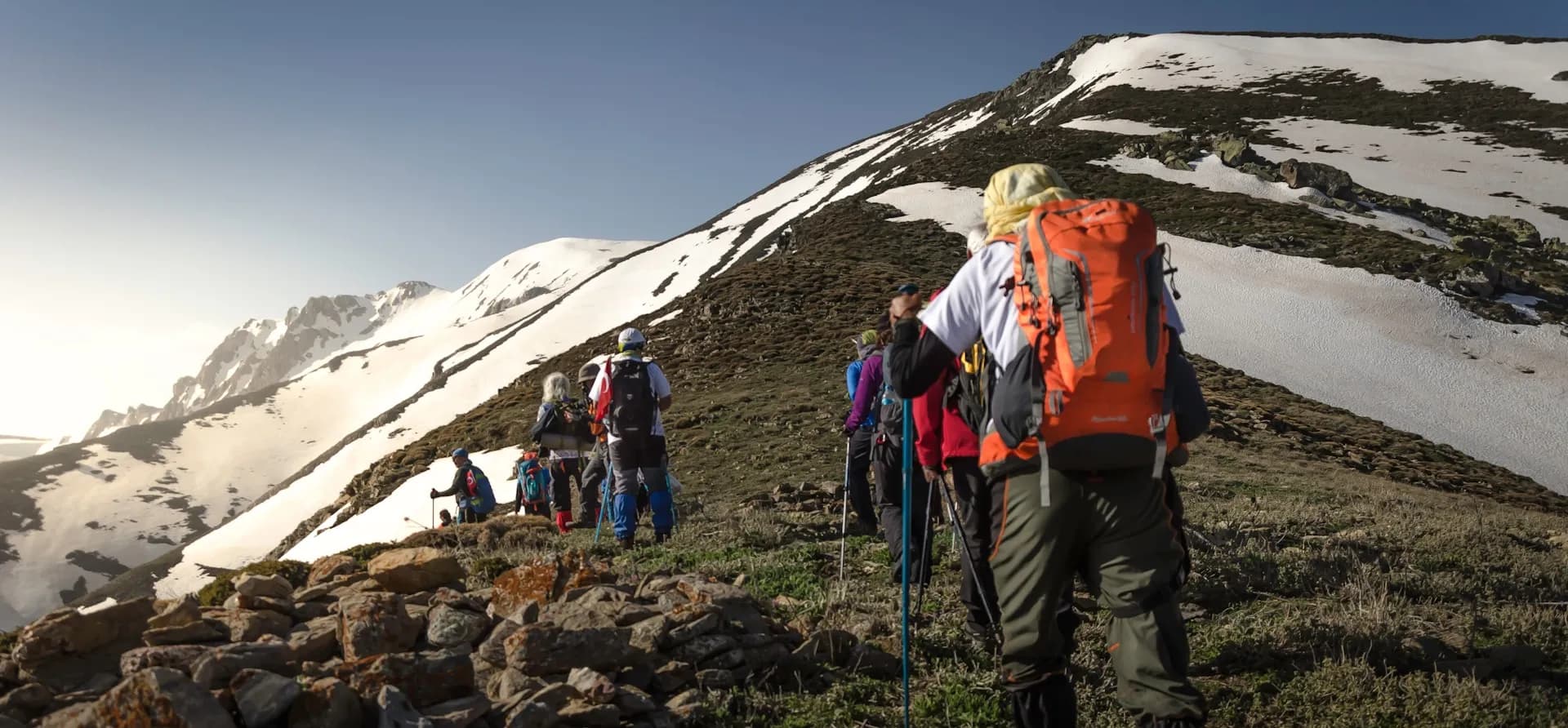
A trip into the high Himalaya asks your body to adjust to thinner air. Taking acclimatization seriously is part of planning, whether you are trekking above the tree line or traveling by road through places such as Spiti.
Give Your Body Time
Plan a gradual ascent where the itinerary allows it, especially when moving from the plains to high sleeping elevations. A rest or easy activity day can help you notice how you are responding before taking on a strenuous hike. Avoid building an ambitious summit day immediately after a rapid drive upward.
Keep the First Days Steady
Walk at a pace that lets you speak comfortably, take breaks, and avoid overexertion. Drink regularly and eat enough, even if your appetite is lower than usual. Avoid alcohol during the adjustment period because it can worsen dehydration and interfere with rest.
Know When to Stop and Speak Up
Headache, nausea, dizziness, unusual tiredness, or poor coordination can be signs that someone is not adapting well. Tell your guide or travel companion early. Do not try to hide symptoms to keep up with a group. Worsening symptoms require prompt medical attention and may mean descending.
Plan with a Qualified Team
Ask how the itinerary handles elevation gain, what the group does if a participant becomes unwell, and how the team communicates in remote areas. Carry your regular medicines and discuss medical questions with a clinician before travel; do not rely on a blog or a guide to diagnose you.
Make Flexibility Part of the Itinerary
Weather, road conditions, and how people feel can all change a mountain plan. Leave room for the guide to slow down, change a day plan, or turn back when conditions call for it. In the mountains, a safe adjustment is a successful decision.