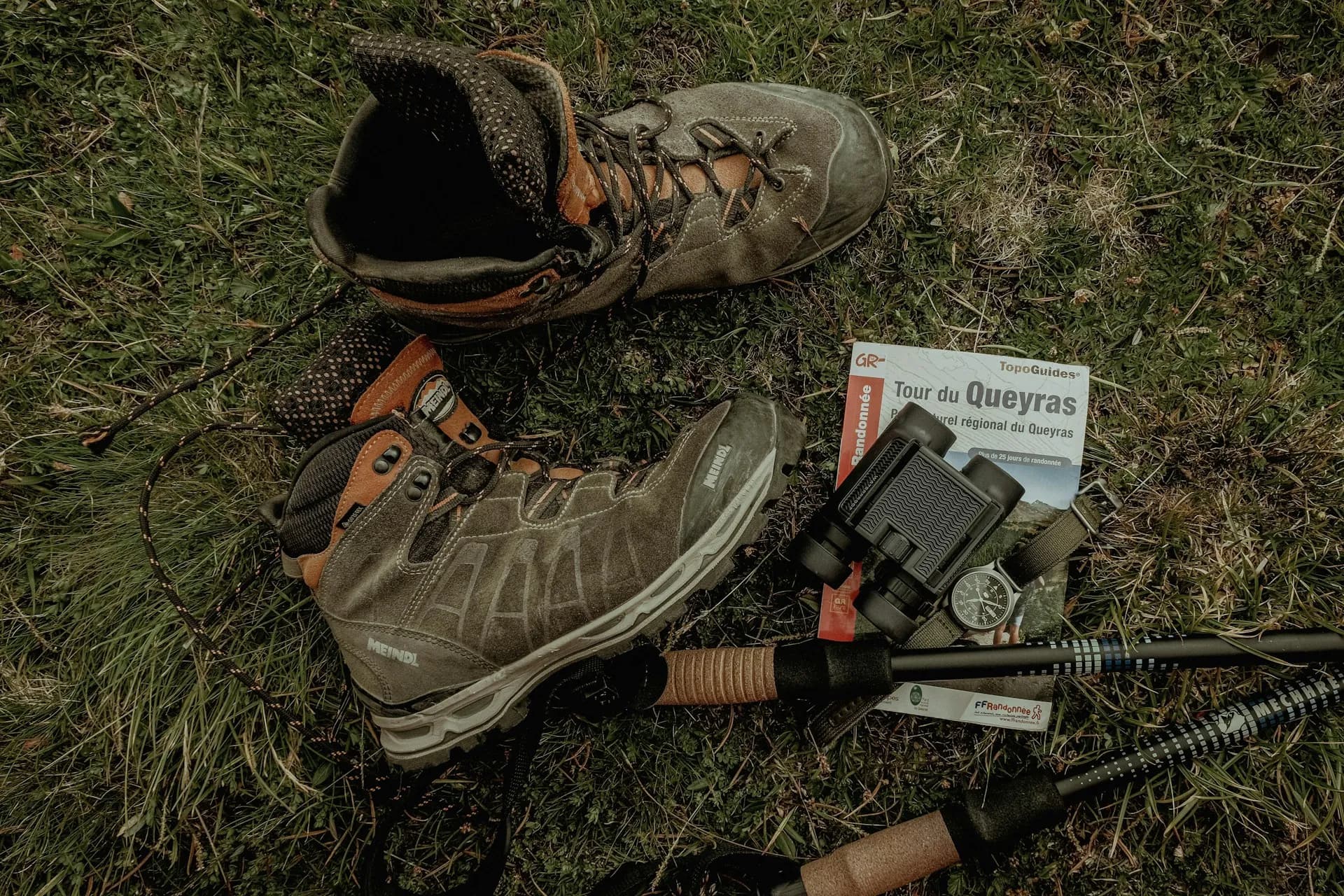
If you trek occasionally, buying every specialist item can be expensive and inconvenient. Renting can be practical for bulky equipment, but some personal essentials are better chosen and tested yourself.
Gear That Should Fit You Well
Footwear is personal. Bring boots or trail shoes that fit comfortably and have already been used on long walks. Bring your own socks, base layers, and any clothing that needs to fit closely. A familiar daypack can also make it easier to manage your load.
Items You Might Rent
Depending on the route and season, tents, sleeping bags, trekking poles, insulated jackets, and larger packs may be available to rent. Ask what model and temperature rating is provided, whether the item is inspected between trips, and whether you can check the fit before departure.
Check the Condition Before Setting Out
Inspect zippers, buckles, seams, poles, and rain covers. Test that a headlamp works and confirm you have a way to carry spare batteries. For a sleeping bag, ask about its warmth rating and bring a liner if you prefer one. Do not wait until the trailhead to find out that an essential item does not fit.
Compare the Full Cost
For gear used regularly, owning a well-fitting item may pay off over time. For one trip, rental can save luggage space and avoid a large purchase. Compare the rental period, deposit, replacement terms, and the cost of transport to collect and return it.
Build a Personal Checklist
Ask your trek operator for the route-specific gear list, then mark each item as bring, rent, or not needed. Conditions vary by season and route, so avoid packing from a generic list alone. Hiker Himachal offers rental gear for selected trips; confirm availability and sizing in advance.