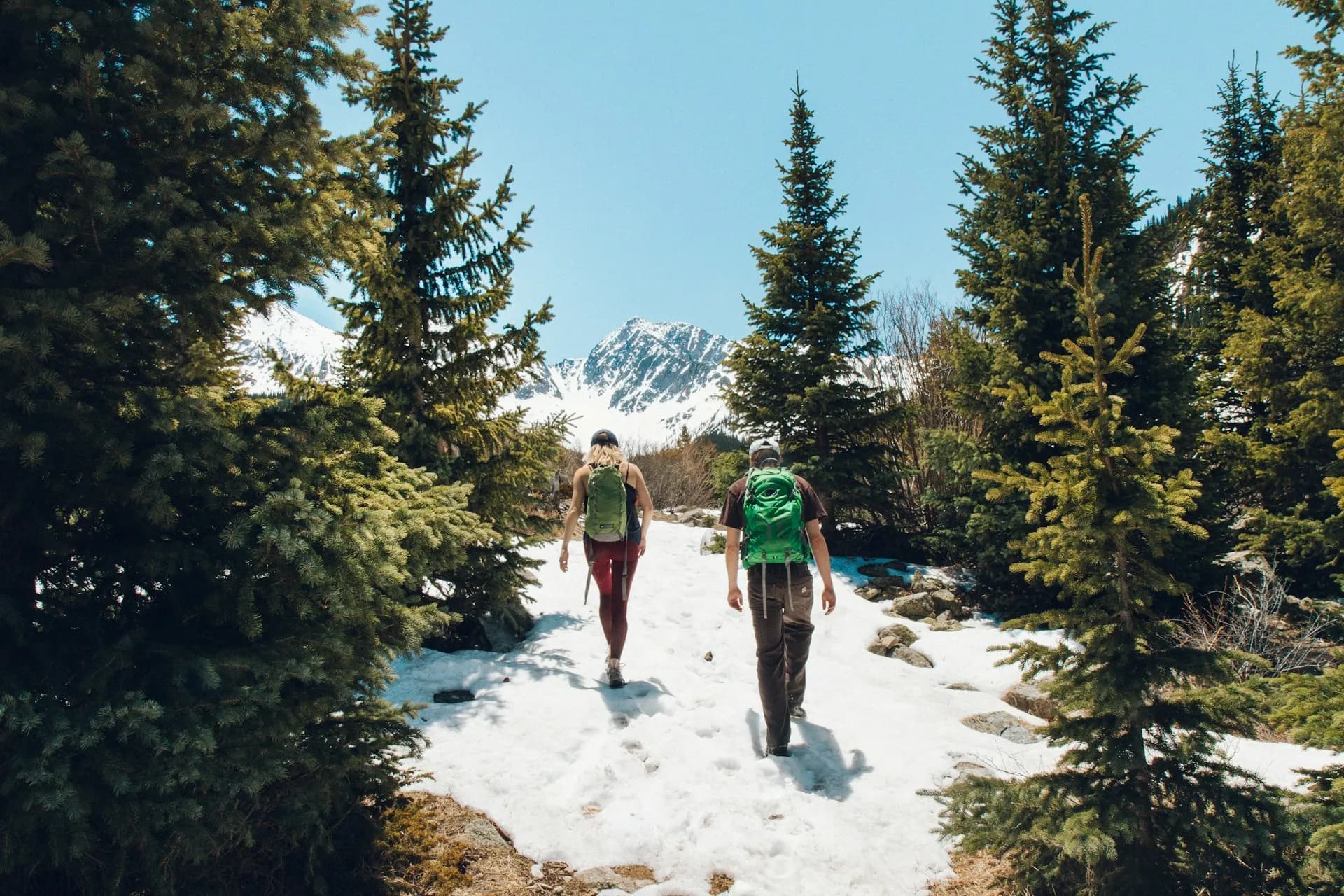
Monsoon can turn Himachal's hills lush and beautiful, but rain also affects trails, roads, and river levels. A route that is comfortable in dry weather may become unsafe after heavy rain.
Understand the Local Conditions
Check the latest forecast and ask a local guide about recent rainfall, landslides, stream crossings, and road access. Conditions can vary sharply from one valley to another. A general seasonal guide cannot replace current local advice.
Choose Routes Carefully
Avoid exposed slopes, unstable terrain, and routes with river crossings when water is high. Do not attempt a pass or remote trail simply because it appears on a map or itinerary. Follow closures and advice from local authorities and your guide.
Pack for Wet Weather
Use a waterproof shell, pack liner or dry bags, quick-drying layers, and footwear with reliable grip. Keep a warm layer and essential medicines protected from rain. Wet clothing can become a serious comfort and safety issue when temperatures drop.
Watch for Warning Signs
Rising or muddy water, fresh rockfall, sudden changes in stream flow, cracks or movement on a slope, and worsening visibility are reasons to stop and reassess. Never cross fast-moving water if the guide considers it unsafe. Turn back early when conditions deteriorate.
Keep Flexibility in the Plan
Build in a spare day when possible and have a lower-risk alternative. A responsible operator should be willing to change or cancel a route when conditions call for it. Mountain plans should respond to the weather, not the other way around.